Source Bbq Linear Style Kitchen Island for Home, Outdoor, and Commercial Use
Explore 30 options for a bbq linear style kitchen island designed for home, outdoor, and commercial applications. Compare features like granite or marble tables, stainless steel carcases, and LPG fuel sources to find the right fit for your kitchen or balcony.
Key considerations
Products List


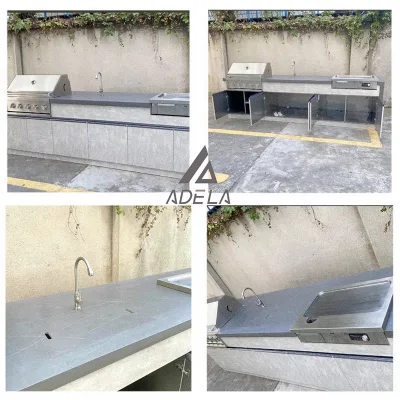
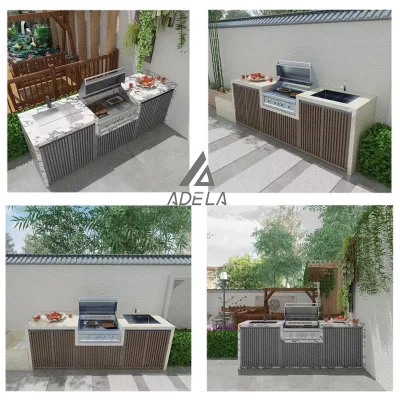


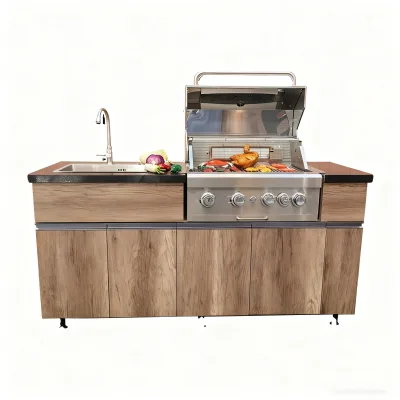
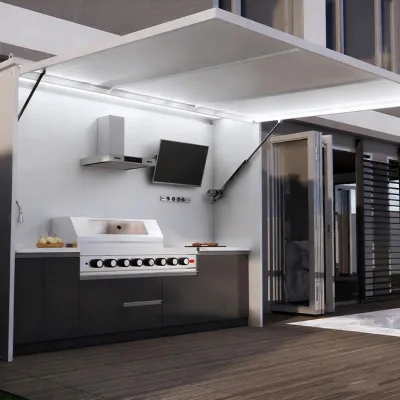
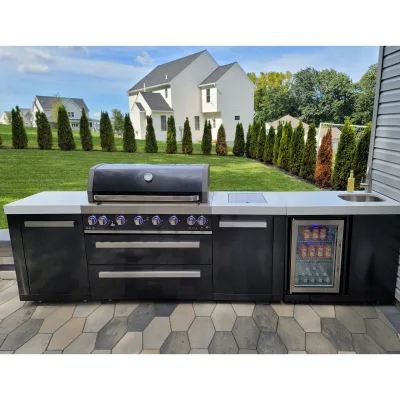
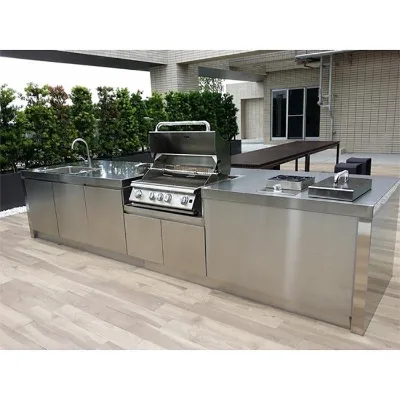
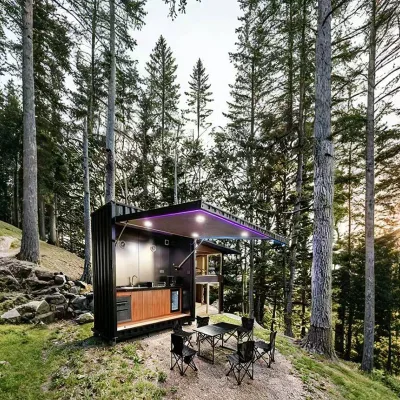


Comprehensive Sourcing Guide
BBQ Linear Style Kitchen Island Sourcing Guide
Procuring a BBQ linear style kitchen island requires balancing high-end aesthetic integration with robust functional performance for both indoor and outdoor culinary environments. Buyers must prioritize units that explicitly support dual-fuel capabilities, such as LPG systems, to ensure versatility across different installation sites ranging from residential balconies to commercial kitchen spaces. The observed market data indicates a strong presence of stainless steel and granite construction, which are critical for durability against heat, moisture, and heavy daily usage in high-traffic cooking zones.
When evaluating listings, it is essential to distinguish between standard cooking equipment and specialized luxury islands that may include integrated sinks or specialized storage features. The available product models demonstrate a wide range of dimensions, from compact units suitable for smaller kitchens to expansive configurations designed for groups of ten to thirteen people. Sourcing decisions should focus on verifying that the specific linear configuration matches the intended room space, ensuring that the island's footprint aligns with the available floor area without compromising safety clearances or workflow efficiency.
Product Scope and Observed Listing Signals
The current market for linear BBQ islands presents a diverse array of product attributes, including modern styling and customizable features that cater to specific brand identities. Listings frequently highlight the availability of customized logos and tailored dimensions, allowing buyers to align the equipment with their specific design requirements or corporate branding needs. The observed product range includes variations in table materials, such as granite and marble, which offer distinct aesthetic appeals while maintaining the structural integrity required for heavy-duty cooking applications.
Buyers should carefully analyze the listed application contexts, as some units are explicitly designed for home kitchens while others target outdoor BBQ scenarios or commercial settings. The presence of features like water-proof capabilities and specific drawer guide rail types indicates a focus on longevity and user convenience in varied environmental conditions. It is crucial to verify that the product description matches the intended usage, ensuring that the selected island can effectively handle tasks like baking, grilling, and food preparation without compromising on safety or performance standards.
Technical Specifications to Verify
Dimensional accuracy is paramount when selecting a linear BBQ island, as the observed standard sizes vary significantly from compact units to large-scale installations. Buyers must cross-reference the listed standard dimensions, such as those measured in millimeters or centimeters, against their physical space constraints to prevent installation failures. The data shows specific model configurations with precise measurements, and failing to verify these exact figures can lead to costly modifications or the inability to fit the unit into the designated area.
Material composition and fuel compatibility are equally critical technical factors that determine the long-term viability of the equipment. The supply chain offers units constructed from stainless steel 304 and metallic boards, which provide resistance to corrosion and heat, but buyers must confirm these materials match their specific environmental exposure levels. Additionally, verifying the fuel type, typically LPG, and the associated connection requirements ensures that the island can be safely integrated into the existing gas infrastructure without requiring extensive retrofitting or safety hazards.
Compliance and Safety Documentation
Safety compliance is a non-negotiable aspect of sourcing BBQ equipment, particularly for units intended for public or commercial use where regulatory scrutiny is high. The observed listings indicate the presence of CE and ISO certifications, which serve as foundational evidence that the manufacturer adheres to specific safety and quality management protocols. Buyers should request current certification documents for each specific model to ensure that the equipment meets the regulatory requirements of the destination country, as standards can vary significantly between regions.
Beyond general certifications, specific safety features such as water-proofing and stable construction are essential for mitigating risks associated with outdoor or high-moisture environments. Documentation should explicitly detail how the unit handles gas leaks, heat dissipation, and structural stability under load, especially for models designed to accommodate large groups. Procurement teams must verify that the safety documentation covers all operational modes, including baking and grilling, to ensure that the equipment remains safe under all intended usage scenarios.
Cost Drivers and Commercial Terms
The pricing structure for linear BBQ islands is influenced by a complex mix of material costs, customization levels, and the complexity of the manufacturing process. Observed price ranges are extensive, reflecting the difference between basic cooking equipment and luxury premium models with advanced features like integrated sinks and specialized storage. Buyers should anticipate that higher costs are often associated with premium materials like stainless steel 304 and marble, as well as the inclusion of custom branding and tailored dimensions.
Commercial terms, including minimum order quantities and packaging requirements, play a significant role in the total cost of ownership and logistics planning. The market data suggests that MOQs can vary from single units to larger batches, allowing flexibility for different procurement strategies. Additionally, the use of wooden cases for packing indicates a need for robust logistics planning to prevent damage during transit, and buyers should factor these shipping considerations into their overall budget and timeline estimates.
Supplier Qualification and Quality Control
Supplier qualification should extend beyond basic product listings to include a thorough assessment of manufacturing capabilities and quality control processes. Buyers must verify that the supplier has a proven track record of producing units that meet the specific material and certification standards observed in the market, such as ISO and CE compliance. It is advisable to request detailed production audits or third-party inspection reports to ensure that the manufacturing process consistently delivers high-quality results.
Quality control measures should focus on the consistency of critical components, such as the drawer guide rails and the integrity of the gas connections. The observed variety in product models suggests that suppliers may offer different tiers of quality, and buyers should establish clear acceptance criteria for each component. Implementing a rigorous pre-shipment inspection protocol is essential to catch any deviations in material quality or assembly standards before the equipment leaves the factory, ensuring that the final product meets all operational expectations.
Long-Term Procurement Checks
Establishing a long-term procurement strategy requires a focus on after-sales support and the availability of replacement parts for the linear BBQ islands. Buyers should confirm that the supplier offers comprehensive warranty coverage and has a reliable supply chain for critical components like burners, control valves, and structural panels. This foresight is crucial for maintaining operational continuity, especially in commercial settings where downtime can result in significant revenue loss and customer dissatisfaction.
Regular performance reviews and feedback loops with the supplier are necessary to ensure that the equipment continues to meet evolving safety and efficiency standards. Procurement teams should schedule periodic inspections to assess the condition of the installed units and identify any potential issues before they escalate into major failures. By maintaining a proactive relationship with the supplier, buyers can ensure that their investment in linear BBQ islands remains a reliable asset for years to come.
FAQs
What materials are used for the table and carcase?
The tables are constructed from granite or marble surfaces, while the carcase utilizes stainless steel or metallic board materials. These durable combinations ensure stability and resistance to wear. The structural integrity is maintained through high-quality metal frameworks, providing a robust foundation for heavy cooking equipment and long-term kitchen use.
Can the product be customized for specific branding needs?
Yes, customization is available for various product attributes. Buyers can request customized logos and specific design modifications to align with their brand identity. The supplier accepts customized logo applications, allowing for unique branding on the exterior surfaces. This flexibility supports tailored procurement requirements for commercial or residential kitchen installations.
What certifications do these BBQ grill machines hold?
The products hold CE and ISO certifications, ensuring compliance with international safety and quality standards. These certifications verify that the manufacturing processes and final products meet rigorous regulatory requirements. Buyers can rely on these documented credentials for import clearance and safety assurance in various global markets, particularly where CE marking is mandatory.
What is the typical packaging method for shipment?
The standard packaging method involves wooden cases to protect the units during transit. This robust packaging ensures that the delicate surfaces and mechanical components remain undamaged. The wooden case design provides secure containment for the heavy stainless steel and stone components, facilitating safe handling and storage upon arrival at the destination port or warehouse.
Which fuel types are compatible with these grills?
The grills are designed to operate using LPG gas fuel. This fuel type offers efficient and controlled heat distribution for various cooking applications. The compatibility with LPG allows for versatile usage in both indoor kitchen environments and outdoor BBQ settings, providing a reliable energy source for consistent performance during high-demand cooking sessions.
What are the standard dimensions for the island models?
Standard dimensions vary by model, with some measuring approximately 2628x568x900 mm. Other models feature sizes like 390x63x90 cm or 400x63x90 cm. These varied specifications allow for flexible integration into different kitchen layouts. Buyers should verify the exact model dimensions to ensure proper fit within their designated space or island configuration.